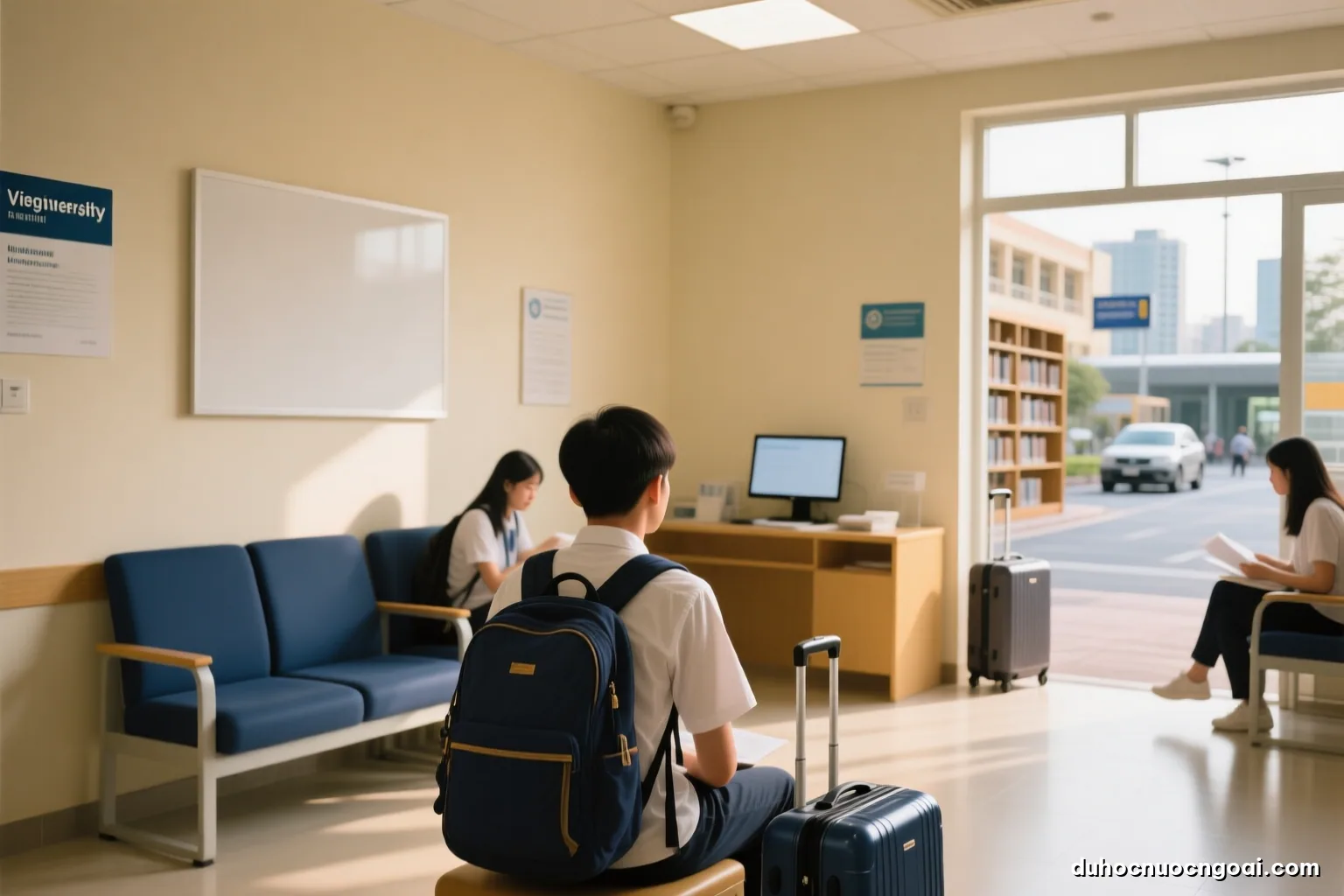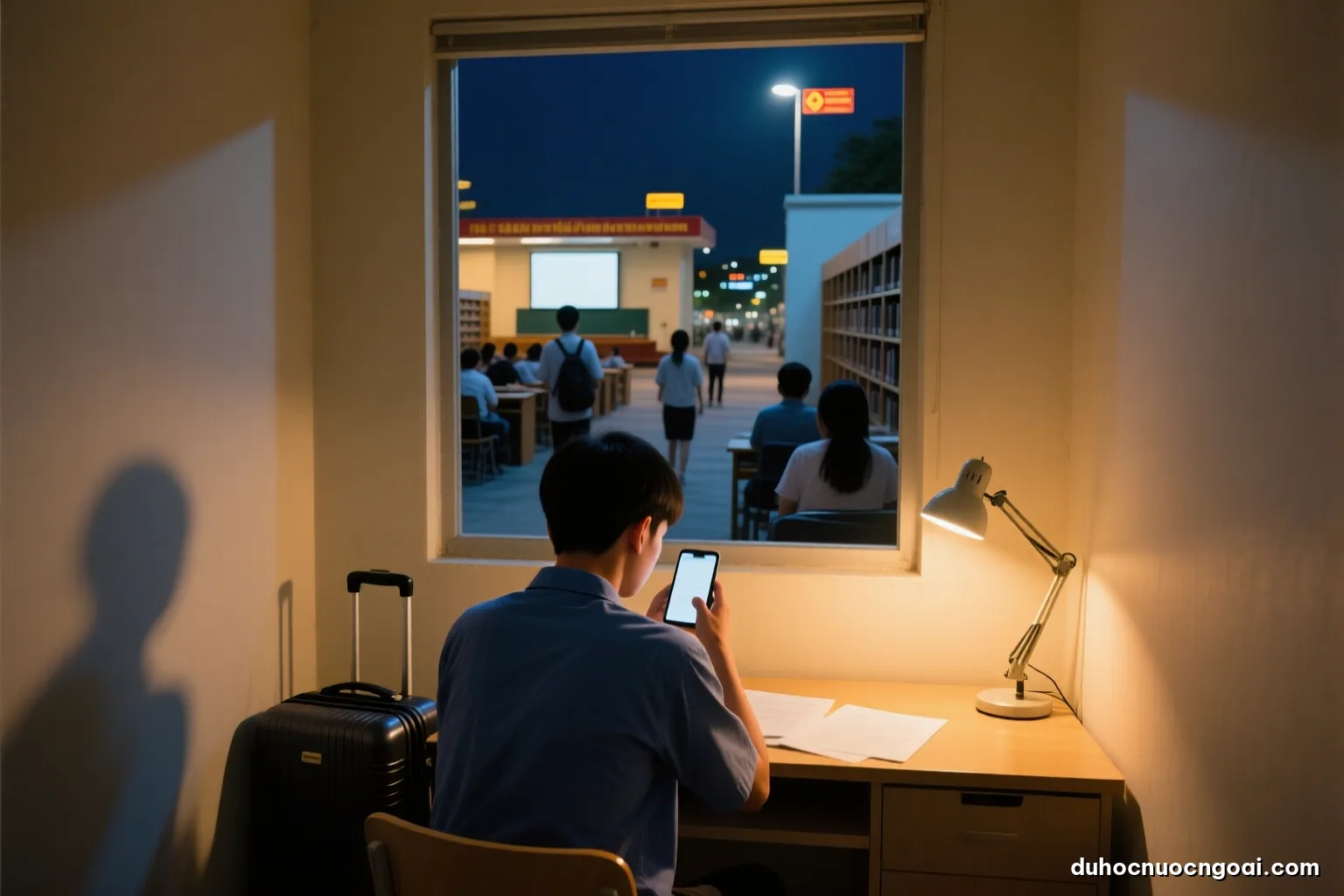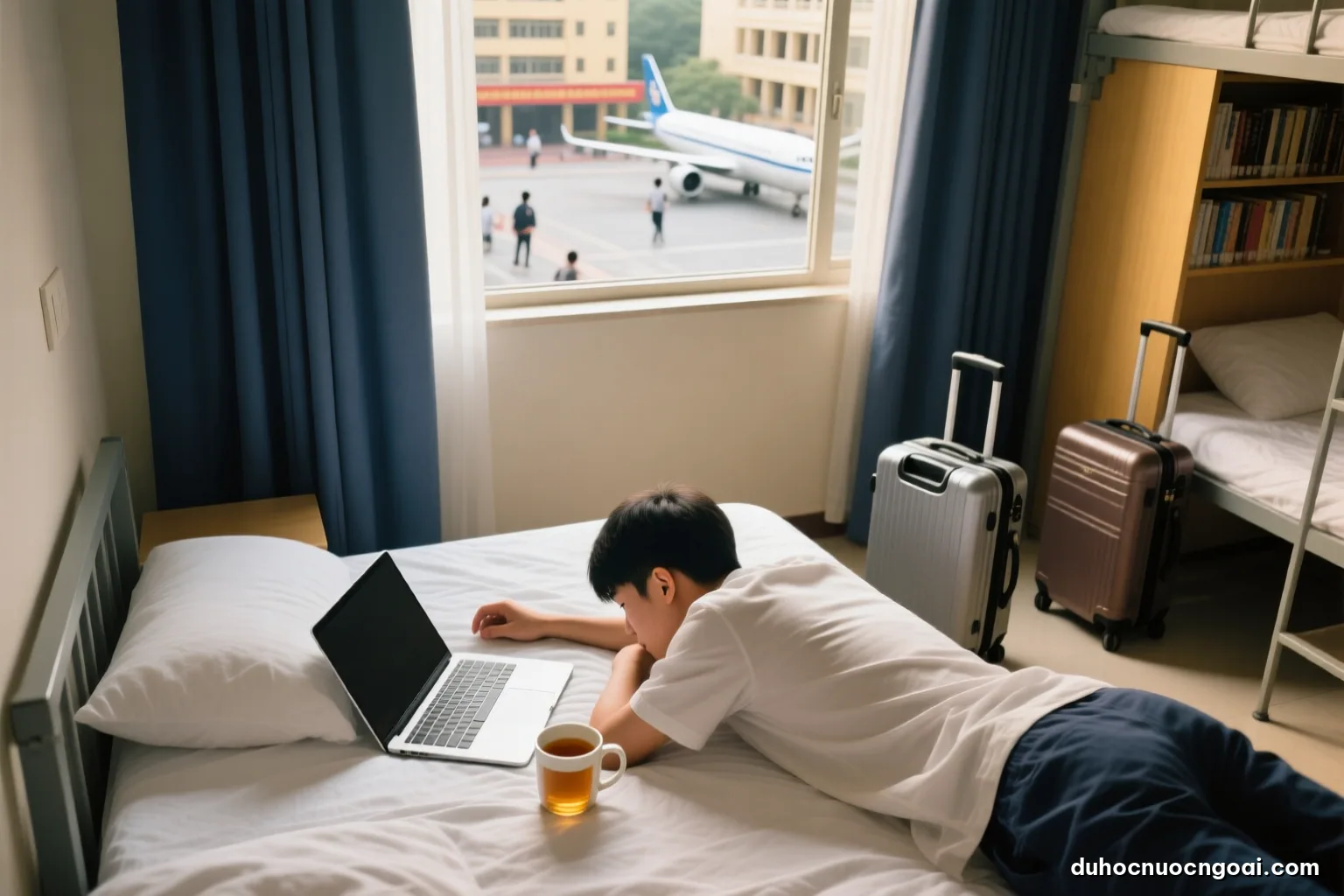
International students are more vulnerable to mental health problems because they face many pressures at once: studying in a foreign language in a new way, being far from their network of family and friends, worrying about money, and carrying high expectations from their family. If feelings of sadness, anxiety, sleeplessness or loss of interest last for weeks and affect your studies, that is the time to turn to the university's counselling service — at almost all universities this service is free for students and confidential. If you have thoughts of harming yourself, call the emergency number or a crisis line immediately.
This article does not replace diagnosis or treatment by a professional. Its purpose is to help international students and parents recognise when stress is still at a normal level, when support is needed, where that support sits within the university and host-country system, and why seeking help early is a life skill rather than a sign of weakness.
Why international students are more exposed to pressure
Taken one factor at a time, the pressure on international students is no mystery. The first is cognitive load: studying in a foreign language makes every reading take several times longer, and every discussion is a test of quick thinking. The second is the loss of a support network: the people who would listen to you complain, share dinner with you and notice when something is wrong are all half a world away, in a different time zone. The third is financial pressure: knowing exactly how much your family has spent on each term makes a low mark feel like guilt, not just disappointment.
The fourth, often underestimated, is expectation and silence. Many Vietnamese students do not want their parents to worry, so they only share the good news and hide the hard weeks. In many families, talking about mental health is still awkward and easily read as "overthinking" or "not trying hard enough". The result is that young people carry everything alone, until their marks drop, they miss many classes, or they burn out.
Finally there are lifestyle factors: staying up late because of the time difference when calling home, eating irregularly, moving less when it is cold, working too many part-time hours. Each is small, but together they leave body and mind less able to cope with shocks such as failing a module or a break-up.
Pressure also has its seasons. The hardest points in the academic year are often the first few weeks when everything is new, mid-term when deadlines pile up, exam season, results day, and long holidays when the residence halls empty out and friends go home while you stay behind. Knowing these points in advance lets you act ahead: book a counselling session or a meeting with your academic adviser for mid-term, plan your holidays instead of leaving them empty, and let your family know in advance that you will call less during exam week but are still fine.
Normal stress, or time to seek support
Everyone has tiring weeks, especially in exam season. The table below helps tell them apart at a general level; it is not a diagnostic tool. When you are not sure which column you are in, talking to the university's counselling service is the safe option.
| Aspect | Ordinary stress | Seek support early |
|---|---|---|
| Duration | A few days, linked to an event such as an exam or a deadline | Lasts more than two weeks, has no clear cause or does not ease after the event has passed |
| Sleep | Less sleep for a few nights before a deadline | Prolonged insomnia or oversleeping, still exhausted on waking |
| Interest | Still enjoy familiar things when you have time | Loss of interest even in things you used to love, avoiding people |
| Studies | Slowing down but still keeping up | Missing many classes, unable to open assignments, repeatedly missing deadlines |
| Thoughts | Worry about specific results | Feeling useless, a burden, with no way out in the future |
| Safety | No thoughts of self-harm | Thoughts of harming yourself or not wanting to live — get help immediately |
Using alcohol or other substances to "sleep more easily" or "forget" is a warning sign worth noticing even when everything else seems fine. It makes sleep worse and hides the problem rather than solving it.
Support systems at the university and in the host country
University counselling services. Most universities in the US, UK, Australia, Canada, New Zealand and many European countries have a counselling service for students, usually free for a number of sessions and confidential under its rules. Book through the university website or go in person. Many offer same-day appointments for urgent cases.
Out-of-hours helplines. Many universities have a 24-hour mental health helpline for students, sometimes with counsellors who speak several languages. In addition, many countries have free national crisis lines; in the US the number is 988. Save these numbers on your phone in your first week, while you are well.
Your family doctor or the university health centre. This is the way in if you need a medical assessment, treatment or a referral to a specialist. International student insurance in many countries includes mental health benefits; read your policy to know what is covered.
Academic advisers and student support offices. When your health affects your studies, these offices can help you apply for extensions, extenuating circumstances or a reduced study load — within the limits of your visa rules. Ask before dropping a module on your own, because reducing your credits the wrong way can affect your residence status.
Peer groups and community. The Vietnamese student association, international student support groups, clubs with regular activities. They cannot replace professionals, but they reduce loneliness — a major risk factor.
Things you can do for yourself every day
The habits below do not cure illness, but there is good evidence that they help stabilise mood and help the body cope better with stress. The important thing is to start small and stay consistent rather than make a big plan and give up.
Sleep is the first priority. Keep a fixed wake-up time even at weekends; schedule calls home at times that do not cut into your sleep. Pulling an all-nighter before a deadline usually costs you effectiveness for the whole of the following week. Move every day, even if it is only a twenty-minute walk; many universities have free or cheap gyms for students. Eat proper meals, and learn to cook a few simple dishes instead of living on instant noodles and fast food.
Break your studies into small pieces. A three-thousand-word essay looks impossible to start; a half-page outline can be done tonight. The university's study skills centre teaches planning, fast reading and academic writing — things that reduce pressure at the root. Keep at least one face-to-face connection every week: a shared meal, a study group, a sports match.
Step away from the screen. Comparing yourself with friends' perfect photos on social media is the fastest way to feel inadequate. Limit your scrolling time, especially before bed. And if you have done all these things and still feel weighed down, it is not that you have not done enough — it is time for additional professional support.
When you are worried about a friend
International students are often the first to notice that a flatmate or classmate is struggling, even before the family far away. A few simple steps help a great deal:
- Ask directly and gently. "I've noticed you've been staying in your room a lot lately — are you okay?" Asking does not make the problem worse; silence is what makes the other person feel lonelier.
- Listen more than you advise. You do not need a solution. Let them talk, without judging and without comparing ("I've had it worse").
- Make concrete suggestions. Look at the counselling service's page together, offer to go with them to the first appointment.
- Do not keep it secret if there is danger. If your friend talks about intending to harm themselves, call the emergency number or tell the university's security or counselling service immediately. Safety matters more than a promise to keep quiet.
- Look after yourself too. Supporting someone else is heavy. You can go to the counselling service yourself for guidance on how to help your friend.
Many universities run short free mental health first aid courses for students. Attending one helps you know how to respond in a real situation.
How families can support from a distance
Parents cannot be with their child every day, but they can create something precious: a feeling that it is safe to tell the truth. That starts before the flight — telling your child clearly that mental health difficulties are normal, that the family wants to hear the unhappy news too, and that their health matters more than a transcript or graduating on time.
When your child shares something difficult, try not to react with fear or blame. Lines like "think how much money we've spent on you", even when they come from worry, make a child close up. Instead, ask what they need, suggest the university's services and, if necessary, work out options together such as a reduced study load, a break from studies or a change of course — within the limits of visa rules and the university's policies. A backup plan discussed in advance helps the whole family stay calm when something happens.
Save the university's emergency contact point, your child's address and the phone number of one of their friends there in advance. Having this information ready helps the family act quickly if one day you cannot reach your child. Global Gate Pass recommends that families prepare this list during the pre-departure preparation session, together with medical and insurance records.
Frequently asked questions
Will seeing a university counsellor go on my academic record or affect my visa?
In most popular study destinations, university counselling services are confidential under their rules and do not share information with your department or immigration authorities without your consent, except where there is a serious risk to safety. Ask the counsellor about the confidentiality policy at your first session if you are still worried.
Can I see a counsellor if my English is not very good?
Yes. Counsellors are used to working with international students, and some universities have counsellors who speak several languages or an interpreting service. There are also online counselling services in Vietnamese; if you use one, choose a provider with properly trained and licensed professionals.
Should I go home for a while if things feel too much?
Sometimes that is the right choice, but decide it together with the university rather than just leaving. Many universities have a procedure for a leave of absence on health grounds; however, a break from studies can affect a student visa, so ask the international student office about the consequences and how to return before you buy a ticket.
How can I tell my child is struggling when they always say they are fine?
Watch for changes: calling much less, avoiding turning the camera on, sounding listless, a disrupted schedule, never mentioning friends or studies. Ask specific questions instead of "are you well?": which module was hardest this week, whom did you have dinner with. Be patient, do not push, and let your child know the family is always ready to listen.
Is loneliness while studying abroad the same as depression?
Not necessarily. Loneliness is a common feeling, especially in the first year, and usually eases as you build new relationships. However, prolonged loneliness is a risk factor for many mental health problems. If it comes with loss of interest, sleeplessness and persistent negative thoughts, seek counselling.
What support do universities offer when marks drop because of mental health problems?
Many universities have an extenuating circumstances procedure, allowing extensions, deferred exams or an adjusted study load when there is confirmation from the health or counselling service. Reporting early, before the deadline or exam date, gives you more options than explaining after the marks are out.